Hospital in Chennai for Knee Arthritis and Diabetes: How to Stay Active Without Worsening Knee Pain
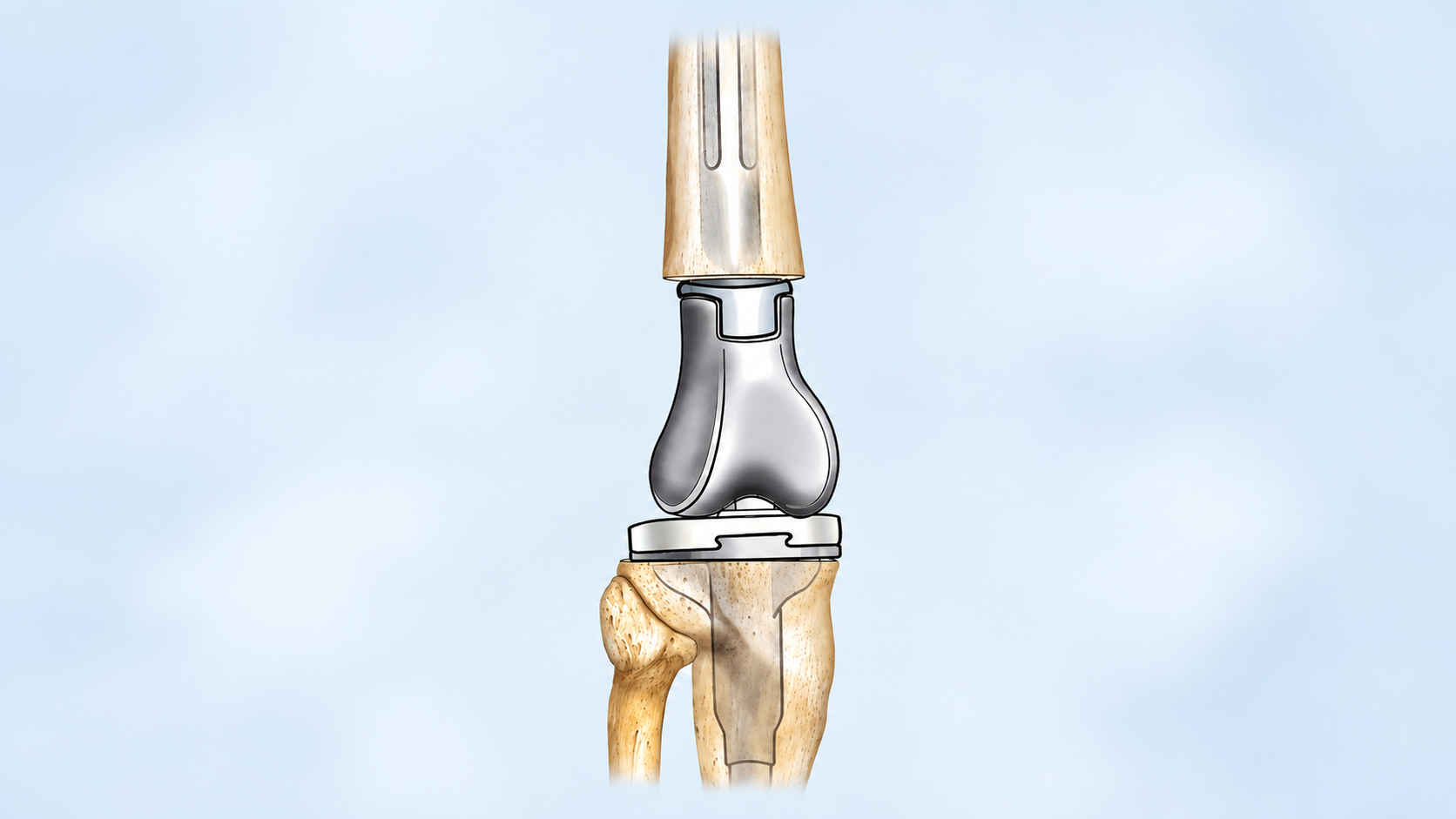
Knee pain can become particularly challenging when a person also has diabetes. Many older adults with knee arthritis are advised to stay active to help maintain their blood sugar levels, but severe knee pain can make walking difficult. This creates a common problem: the person needs physical activity for overall health, but knee pain makes movement uncomfortable. The solution is not necessarily complete rest. Instead, the underlying knee problem should be assessed, pain should be managed appropriately, and physical activity should be adapted to the individual's condition. At Olir Super Speciality Hospital, Velachery, patients with knee pain and arthritis can undergo orthopedic evaluation to understand the cause of pain and identify suitable treatment options.
Can Diabetes and Knee Arthritis Occur Together?
Yes. Diabetes and knee arthritis can occur in the same person, particularly in older adults. A person with diabetes may need regular physical activity as part of their overall diabetes management. At the same time, knee osteoarthritis can cause pain, stiffness and difficulty walking. This can lead to a cycle: Knee pain → less movement → reduced physical activity → difficulty maintaining an active lifestyle Managing both conditions together is therefore important.
Why Do People With Diabetes Need Regular Physical Activity?
Regular physical activity can provide several health benefits for people with diabetes, including helping improve insulin sensitivity, supporting weight management and contributing to blood-glucose control. Walking is one commonly recommended form of physical activity because it is accessible to many people. However, the amount and type of activity should be appropriate for the person's health and physical ability. Someone with severe knee arthritis may not be able to walk long distances comfortably. In such cases, alternatives such as supervised strengthening exercises, cycling, swimming or other low-impact activities may be considered depending on the person's condition.
What Happens When Knee Arthritis Makes Walking Painful?
Knee osteoarthritis can cause:
- Knee pain while walking
- Pain when climbing stairs
- Stiffness after sitting for a long time
- Difficulty standing up
- Reduced walking distance
- Swelling around the knee
- Difficulty performing daily activities
When pain becomes severe, people may naturally reduce their activity. While short-term rest may sometimes be useful during a painful flare, long-term inactivity can contribute to muscle weakness and reduced physical function. The goal is usually to find a safe level and type of activity rather than simply avoiding all movement.
Can Severe Pain Affect Blood Sugar?
Yes. Significant physical or emotional stress can cause temporary increases in blood glucose through the body's stress response. Pain can act as a physiological stressor and may make blood-glucose management more difficult for some people. This is another reason why persistent, severe knee pain should not simply be ignored. For a person with diabetes and significant knee arthritis, managing the knee condition can be an important part of maintaining overall physical function.
Should You Completely Stop Walking If You Have Knee Arthritis?
Not necessarily. Whether walking is appropriate depends on the severity of the arthritis, pain level, joint stability and overall health. For someone with mild or moderate knee arthritis, an appropriately paced walking programme may be possible. However, if walking causes severe pain, significant swelling or worsening symptoms, continuing to push through the pain may not be appropriate. An orthopaedic assessment can help determine what type of activity is suitable.
How Can You Stay Active With Knee Arthritis?
If regular walking is painful, your doctor or physiotherapist may recommend alternative forms of exercise. Depending on your condition, these can include: Low-Impact Exercise Activities that place less stress on the knee may be easier to tolerate. Examples can include:
- Stationary cycling
- Swimming
- Water-based exercise
- Gentle mobility exercises
Muscle Strengthening Strengthening the muscles around the knee and hip can help support the joint and improve functional movement. The video highlights the importance of strengthening muscles and ligaments as part of maintaining knee function. Exercises should be selected according to the individual's condition and performed correctly. Gradual Activity Instead of attempting a long walk immediately, activity may be divided into shorter periods. For example, several short periods of movement during the day may be more manageable than one prolonged walk.
Why Is Muscle Strength Important for Knee Arthritis?
The muscles surrounding the knee help support and stabilise the joint. When pain causes a person to become inactive, these muscles can become weaker. Muscle weakness can make everyday activities more difficult and may increase the physical demands placed on the knee. A suitable strengthening programme can help maintain mobility and function. However, exercises should be individualised, especially when arthritis is advanced or pain is severe.
What Can You Do When Knee Pain Develops After Activity?
The video also demonstrates the use of ice when pain develops. Cold therapy may provide temporary relief for some people, particularly when there is discomfort or swelling after activity. However, ice does not treat the underlying cause of chronic knee arthritis. If pain repeatedly returns after walking or exercise, it is better to have the knee evaluated rather than relying only on temporary measures.
When Should Knee Pain Be Evaluated by an Orthopaedic Doctor?
Consider consulting an orthopaedic specialist if you have:
- Persistent knee pain
- Severe knee pain
- Increasing difficulty walking
- Recurrent knee swelling
- Pain that interferes with daily activities
- Difficulty climbing stairs
- Knee stiffness that keeps returning
- Pain that does not improve with basic measures
For people with diabetes, persistent knee problems can make it particularly difficult to maintain regular physical activity. Early assessment can help identify the cause and determine an appropriate management plan.
Is Knee Replacement Always Necessary for Knee Arthritis?
Not everyone with knee arthritis requires knee replacement surgery. Treatment depends on the severity of arthritis, symptoms, functional limitations and response to other treatments. Depending on the condition, management may include:
- Activity modification
- Physiotherapy
- Muscle strengthening
- Weight management
- Pain management
- Other non-surgical treatments
- Injections in selected patients
- Surgery when appropriate
Knee replacement may be considered when advanced arthritis causes significant pain and functional limitation and conservative treatments are no longer providing adequate relief.
Why Should People With Diabetes and Knee Arthritis Get Individualized Advice?
A person with diabetes and knee arthritis may have different needs from someone who has knee arthritis alone. Their treatment plan may need to consider:
- Blood-glucose control
- Weight
- Physical activity level
- Knee pain
- Joint function
- Other medical conditions
- Medications
- Cardiovascular fitness
Therefore, exercise and treatment should be planned according to the individual's overall health.
Knee Arthritis Treatment at Olir Super Speciality Hospital, Velachery
At Olir Super Speciality Hospital, Velachery, patients experiencing persistent knee pain can undergo orthopedic evaluation to identify the underlying cause. For patients with knee arthritis and diabetes, the focus is not simply on reducing pain. Maintaining mobility, muscle strength and an appropriate level of physical activity is also important for overall health. Depending on the severity of the knee condition, the doctor may recommend conservative treatment, physiotherapy, strengthening exercises, other appropriate treatments or surgery when clinically indicated. If you are searching for a hospital in Chennai for knee pain treatment, knee arthritis evaluation or orthopaedic consultation in Velachery, persistent or worsening symptoms should be assessed rather than managed through prolonged self-treatment.
Conclusion
If you have diabetes and knee arthritis, you may need to balance two important goals: maintaining appropriate physical activity while avoiding activities that aggravate your knee. Severe knee pain should not simply be accepted as a reason to stop moving completely. Instead, the cause of the pain should be evaluated, and an appropriate combination of treatment, strengthening, and low-impact activity can be considered. If knee pain is making it difficult to walk, exercise or manage your daily activities, consult an orthopedic specialist at Olir Super Speciality Hospital, Velachery.
Consult Our Specialists


Frequently Asked Questions
Find answers to common questions about our services, treatments, appointments, and patient care options to help you make informed health decisions.
Many people with knee arthritis can remain physically active, but the appropriate amount and type of activity depends on the severity of their knee condition. If walking causes significant pain, consult an orthopaedic specialist about suitable alternatives.
Regular physical activity can support blood-glucose management and overall health in people with diabetes. The activity should be appropriate for the person's health and physical ability.
Not necessarily. Complete inactivity is not always the best approach. If walking causes severe or persistent pain, the underlying knee problem should be assessed and a suitable activity plan developed.
Pain and other forms of physical stress can activate the body's stress response, which may temporarily increase blood glucose.
Depending on your condition, low-impact activities and supervised strengthening exercises may be appropriate. A doctor or physiotherapist can recommend exercises based on your knee function and overall health.
Strengthening the muscles around the knee and hip can support joint function and improve mobility. Exercises should be selected and performed appropriately for your condition.
See an orthopaedic doctor when knee pain is persistent, severe, worsening, associated with swelling, or interfering with walking and daily activities.
No. Knee replacement is generally considered for selected patients with advanced arthritis and significant symptoms when other treatment options have not provided sufficient relief.
Olir Super Speciality Hospital, Velachery, provides orthopedic evaluation for patients with knee pain and arthritis and can help determine an appropriate treatment pathway.
Related Articles

Top 5 Cardiology Treatments at Chennai's Best Super Speciality Hospitals in 2026
Chennai has earned a strong reputation as a medical capital of India, especially in cardiac sciences...

Best Neurology Hospitals in Chennai: Stroke Care and Neurosurgery Guide
Chennai has emerged as one of India’s most trusted destinations for neurological care. A leading neu...

Joint Replacement Surgery: Why Choose Chennai Super Speciality Orthopedics
Chennai has become a top destination for advanced orthopedic care in India. A leading orthopedics ho...
Need Expert Medical Care in Velachery?
Book Your Appointment with Our Specialists Today
Get expert consultation, accurate diagnosis, and the right treatment, all under one roof at OLIR Super Speciality Hospital.
Book Appointment