Rewiring the Mind – The Science of Neuro-Rehabilitation After a Stroke
1The Anatomy of an Emergency: Understanding the Stroke's Impact
To appreciate the critical role of neurological rehabilitation, it is essential to look at the immediate mechanical events that occur during a stroke. A stroke typically happens when a blood clot blocks an artery supplying a specific region of the brain. Within minutes of losing its blood supply, the affected brain tissue is deprived of oxygen and essential nutrients, causing the specific neurons in that area to die. When these brain cells perish, the physical functions they once controlled are instantly disrupted. For example, if the stroke occurs in the motor cortex, the region responsible for sending movement signals down to the limbs, the pathways are broken. The structural nerves responsible for telling a hand to open, a leg to step, or an arm to lift lose their primary command center. This structural failure results in acute hemiplegia, a severe paralysis that typically impacts one entire side of the body opposite to the side of the brain injury. While the dead brain cells themselves cannot be revived, the human neurological system possesses a built-in mechanism to overcome this damage.
2The Biological Solution: Exploiting the Power of Neuroplasticity
From a clinical perspective, neuro-rehabilitation does not focus on trying to fix the permanently damaged nerve pathways. Instead, the primary strategy is to entirely bypass the dead zone by capitalizing on a phenomenal biological property known as neuroplasticity. Neuroplasticity is the brain's natural ability to structurally reorganize itself by forming brand-new neural connections throughout life. When a specific section of the brain dies due to a stroke, the surrounding, healthy areas of the brain are entirely capable of taking over those lost functions, they just need to be explicitly trained to do so. Neuro-rehabilitation acts as the strict training regimen that drives this rewiring process:
3The Outcome: Restoring Purpose and Independent Movement
The transition through a dedicated neuro-rehabilitation program is a demanding process that requires profound patience and consistency. Because the brain learns through repetition, thousands of deliberate movements are required to solidify a new neural pathway. As these alternative brain regions take over command, patients begin to witness a gradual, steady return of motor control. What once felt like a completely unresponsive limb slowly regains its baseline function. An arm that was completely paralyzed begins to shrug, then lift, and eventually grasp objects. Ultimately, the goal of neuro-rehabilitation is to transform a severe neurological deficit into a story of functional adaptation. By teaching the healthy parts of the brain to pick up the functions of the old, damaged sections, rehab allows stroke survivors to successfully rebuild their daily independence, proving that while a stroke can permanently alter brain anatomy, the mind possesses an extraordinary capacity to heal, adapt, and move forward.
Conclusion
Neuro-rehabilitation harnesses the brain's remarkable capacity for neuroplasticity, transforming the aftermath of a stroke into a journey of functional recovery and renewed independence. At the best hospital in Chennai, our neurology team supports stroke survivors through every stage of this rewiring process.
Frequently Asked Questions
Find answers to common questions about our services, treatments, appointments, and patient care options to help you make informed health decisions.
Neuroplasticity is the brain's natural ability to form new neural connections. After a stroke, healthy areas of the brain can be trained through repetitive movement to take over functions lost due to the damaged region.
A stroke damages neurons in a specific area of the brain, such as the motor cortex, which controls movement signals to the opposite side of the body, resulting in hemiplegia on that side.
Early initiation of neuro-rehabilitation is important, as consistent, repetitive practice helps the brain begin forming alternative neural pathways as soon as possible after the stroke.
Many patients regain significant motor function through dedicated rehabilitation, though the extent of recovery depends on the severity of the stroke and consistency of therapy.
Our neurology and neurosurgery team at Olir Super Speciality Hospital, Velachery, Chennai, provides comprehensive stroke care and guidance on neuro-rehabilitation for lasting recovery.
Related Blogs
Best Neurology Hospitals in Chennai: Stroke Care and Neurosurgery Guide
Chennai has emerged as one of India’s most trusted destinations for neurological care. A leading neurology hospital Chen...
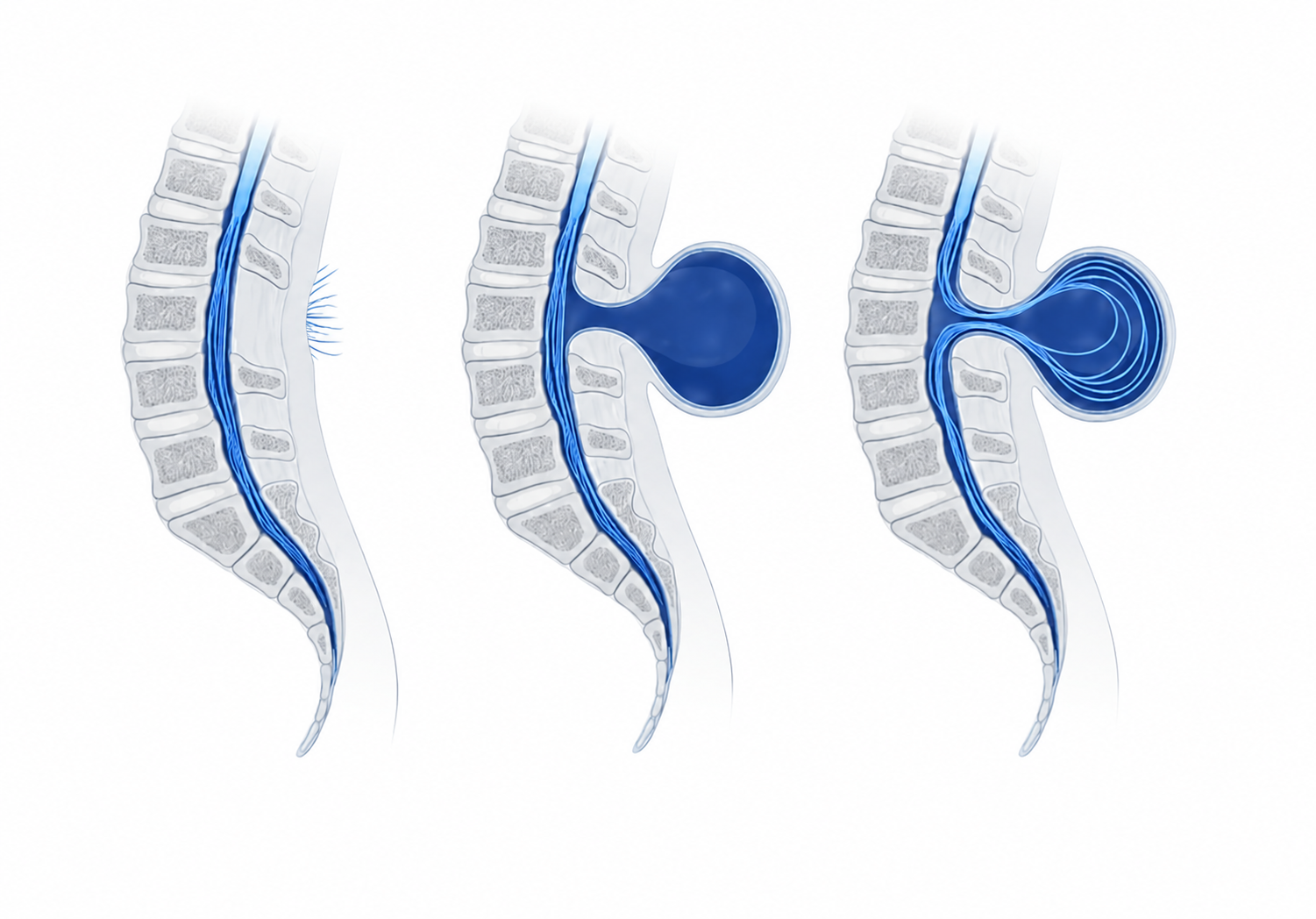
Tethered Cord Syndrome in Children: Early Signs, Diagnosis & Treatment | OLIR Super Speciality Hospital, Chennai
When parents notice their child struggling to walk, showing unusual weakness in the legs, or missing developmental miles...
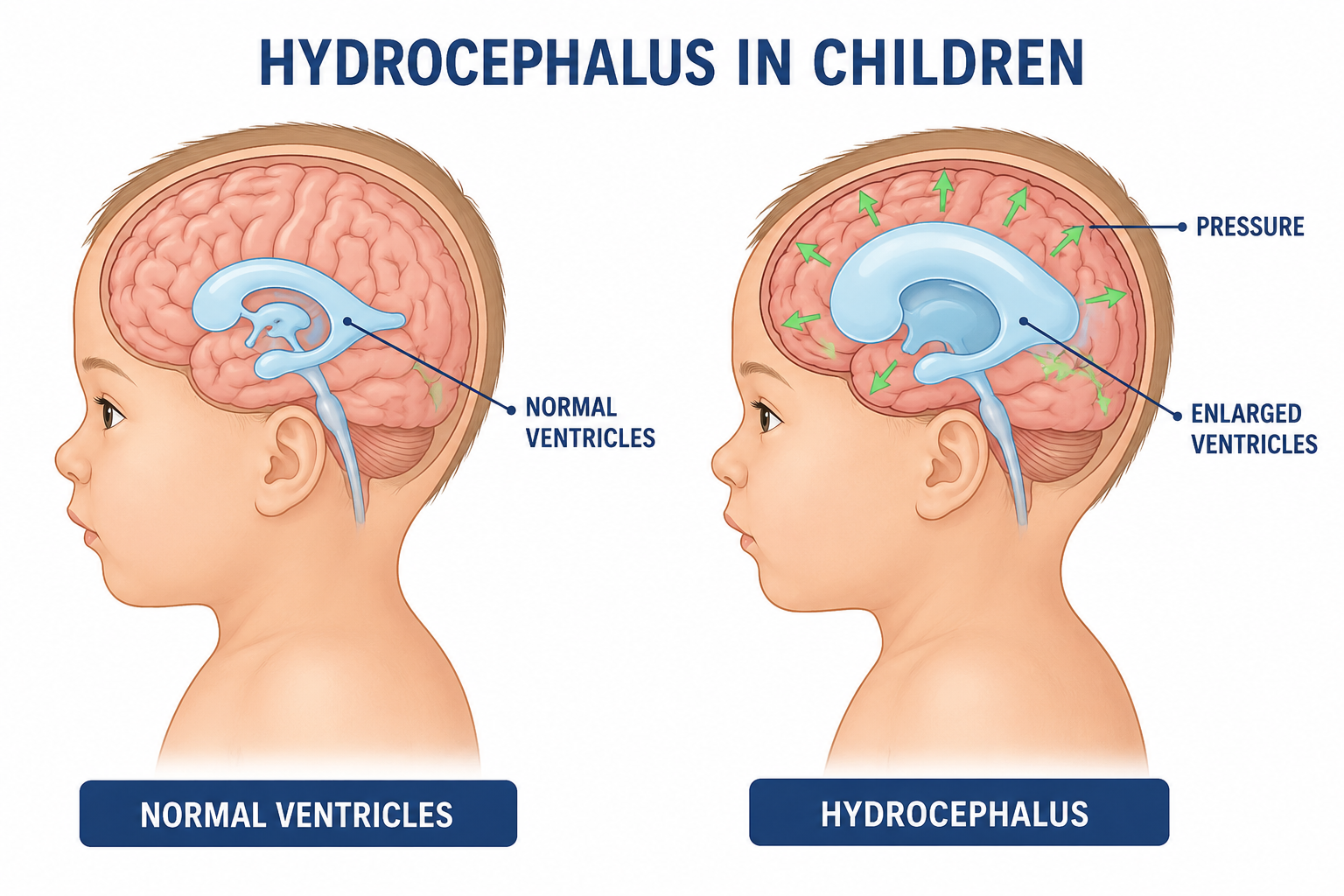
Hydrocephalus in Children: Warning Signs, Diagnosis & Treatment | OLIR Super Speciality Hospital, Chennai
Is your child's head size increasing rapidly? It's not something to ignore. If you notice your baby's head growing notic...
Neurology & Neurosurgery

Doctors Who Treat This Condition
Need Expert Care in Chennai?
Get expert consultation, accurate diagnosis, and the right treatment, all under one roof at the best hospital in Chennai.
Book Appointment94 0808 0909