Per Vaginal Examination in Pregnancy: Why It Is Done During the 8th Month
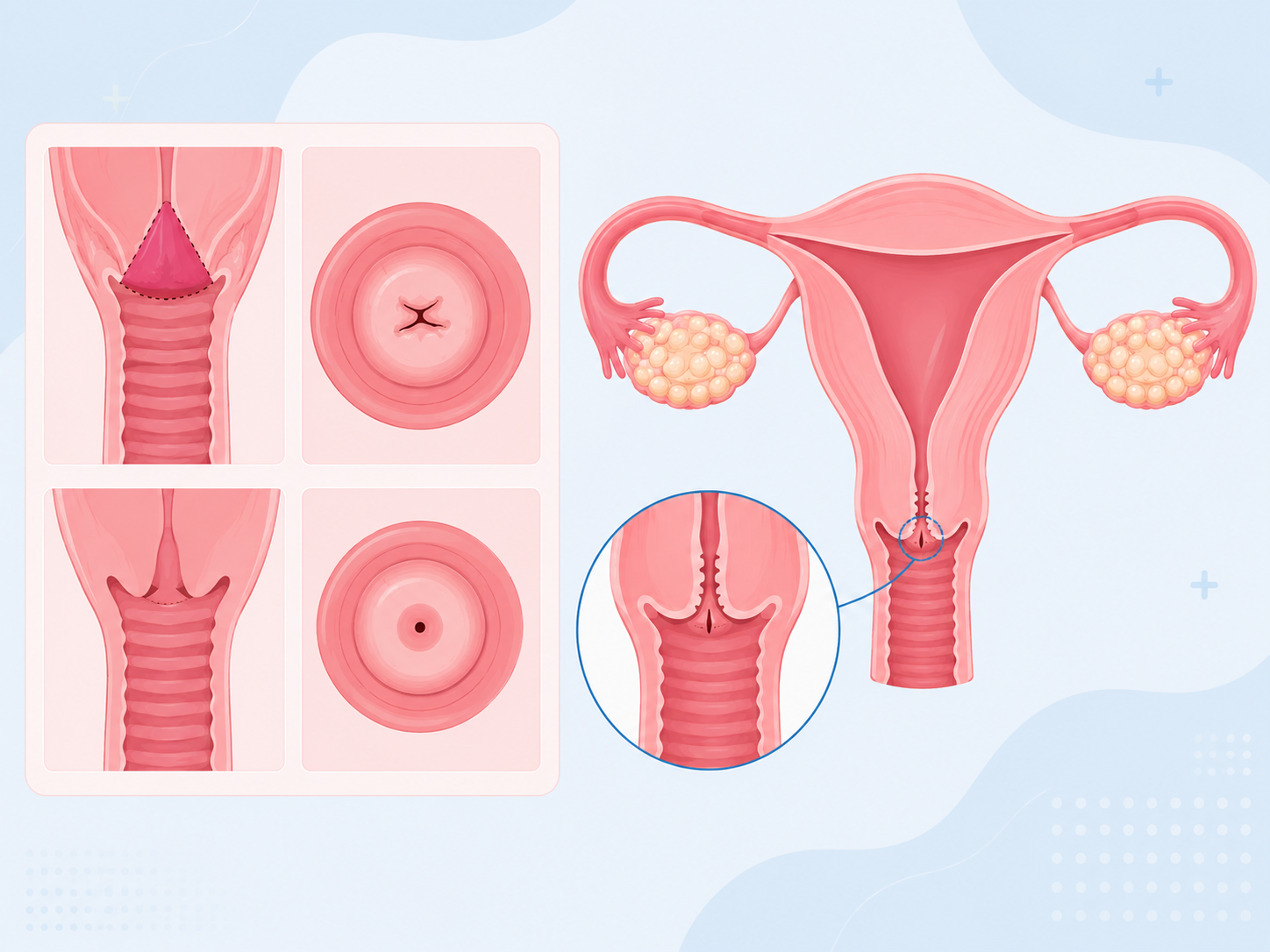
Pregnancy is an exciting journey, but as you approach your due date, your doctor may recommend a Per Vaginal (PV) Examination. Many expectant mothers feel anxious about this procedure and often ask, "Why is a PV examination necessary?" or "Is it safe for my baby?" A Per Vaginal Examination in Pregnancy is a routine clinical assessment performed during the 8th and 9th months of pregnancy to evaluate how your body is preparing for labour. It helps your obstetrician assess the cervix, birth canal, and pelvis while identifying early signs of labour or conditions that may require medical attention. Understanding the purpose of this examination can help reduce anxiety and prepare you for a safe and confident delivery.
What Is a Per Vaginal Examination in Pregnancy?
A Per Vaginal (PV) Examination is a routine medical examination performed by an obstetrician or gynaecologist during the later stages of pregnancy. It helps assess the condition of the cervix, birth canal, and pelvis to determine how your body is preparing for labour. The examination is usually recommended during the 8th or 9th month of pregnancy or whenever your doctor needs to evaluate labour readiness. During the procedure, the doctor gently examines the cervix using sterile gloves to check for important changes such as cervical effacement (thinning), cervical dilatation (opening), and the baby's descent. A PV examination also helps identify concerns such as abnormal vaginal discharge, infection, or leaking amniotic fluid. The information gathered allows your doctor to make informed decisions and provide the safest care for both mother and baby. When performed by a qualified obstetrician, a Per Vaginal Examination in Pregnancy is a safe and important part of antenatal care that helps ensure a smoother and safer delivery.
Why Is a Per Vaginal Examination Done During the 8th Month of Pregnancy?
During the 8th month of pregnancy, your body begins preparing for labour, making regular antenatal check-ups even more important. A Per Vaginal (PV) Examination helps your obstetrician assess whether your body is ready for a safe vaginal delivery and identify any concerns that may require medical attention. One of the primary reasons for the examination is to evaluate the cervix, checking whether it has started to soften, thin (efface), or open (dilate) in preparation for childbirth. The doctor also assesses the birth canal and pelvic bones to determine if there is adequate space for the baby's head to pass through during delivery. In addition, a PV examination helps detect signs that labour may be approaching, such as the "show" (blood-tinged mucus), abnormal vaginal discharge, or possible amniotic fluid leakage. Identifying these changes early allows your doctor to monitor your pregnancy closely and recommend the most appropriate care.
What Does the Doctor Check During a Per Vaginal Examination?
A Per Vaginal (PV) Examination provides valuable information about how your pregnancy is progressing and whether your body is preparing for labour. During the examination, your obstetrician carefully assesses several important factors that help determine the safest approach for delivery. The doctor first examines the cervix to check whether it has started to soften, thin (cervical effacement), or open (cervical dilatation), which are natural changes that occur as labour approaches. Next, the doctor evaluates the birth canal and pelvic bones to determine whether there is enough space for the baby's head to descend during a vaginal delivery. This assessment helps identify any factors that may affect the baby's passage through the pelvis. The examination also includes checking for abnormal vaginal discharge, signs of infection, blood-tinged mucus (commonly called the "show"), or amniotic fluid leakage, which may indicate that labour is approaching or that further medical evaluation is required.
Understanding Cervical Effacement During Pregnancy
One of the most important things your doctor checks during a Per Vaginal (PV) Examination is cervical effacement. Effacement refers to the softening and thinning of the cervix as your body prepares for labour. Throughout most of pregnancy, the cervix remains firm and closed to protect your baby. As delivery approaches, it gradually becomes softer and thinner, allowing it to prepare for childbirth. Your obstetrician evaluates the degree of cervical effacement to understand whether labour is approaching and how your body is progressing. Every pregnancy is different, and your doctor will explain your examination findings and guide you through the next steps based on your individual condition.
Pelvic Bone Assessment and Birth Canal Examination
In addition to checking the cervix, your doctor also evaluates the pelvic bones and birth canal during a Per Vaginal (PV) Examination. This helps determine whether there is adequate space for the baby's head to move through the pelvis during a vaginal delivery. The doctor gently assesses the shape of the pelvis and checks for any prominent or narrow bony structures that could affect the baby's descent during labour. This examination is only one part of your overall pregnancy assessment and is considered alongside your baby's position, medical history, and other clinical findings.
Signs Your Doctor Looks for During a PV Examination
A Per Vaginal (PV) Examination also helps your doctor identify important signs that may indicate labour is approaching or that further medical attention is needed. A blood-tinged mucus discharge, often called the "show," is a common sign that the cervix is beginning to prepare for labour. Your doctor also checks for signs of infection if the vaginal discharge appears unusual in colour, consistency, or has an unpleasant odour. Another important concern is amniotic fluid leakage. If you notice a continuous flow of clear, watery fluidoften described as resembling tender coconut waterit could indicate that the amniotic sac has ruptured. This requires immediate medical evaluation to ensure the safety of both mother and baby.
Signs You Should Never Ignore During Late Pregnancy
As you enter the 8th and 9th months of pregnancy, it is important to pay close attention to any new or unusual symptoms. While some changes are a normal part of pregnancy, others may indicate that labour is approaching or that you need immediate medical attention. Seek medical advice immediately if you notice:
- Watery leakage from the vagina
- Blood-tinged mucus (show)
- Thick, curdy white discharge
- Regular or severe abdominal pain
- Reduced baby movements
Early medical evaluation can help identify potential complications and ensure timely care for both mother and baby.
Is a Per Vaginal (PV) Examination Safe During Pregnancy?
Yes. A Per Vaginal Examination is generally safe during pregnancy when performed by a qualified obstetrician or gynaecologist. It is a routine part of antenatal care, particularly during the later stages of pregnancy, to assess your body's readiness for labour. Many expectant mothers worry that the examination may harm the baby or trigger labour. However, the procedure is performed gently using sterile gloves and follows standard medical protocols to ensure the safety of both mother and baby. It usually takes only a few minutes and may cause mild pressure or temporary discomfort. Your doctor recommends a PV examination only when it is medically necessary to assess cervical changes, labour progress, pelvic readiness, or symptoms such as abnormal discharge or amniotic fluid leakage.
Why Choose Olir Super Speciality Hospital for Pregnancy Care?
At Olir Super Speciality Hospital, Velachery, our experienced Obstetrics & Gynaecology team is committed to providing comprehensive pregnancy care from your first antenatal visit through delivery. We focus on maternal and baby safety by combining experienced specialists, evidence-based clinical practices, and compassionate care. Whether you require routine pregnancy check-ups, labour assessment, or emergency obstetric care, our team provides personalised guidance at every stage of your pregnancy journey, helping you feel informed, comfortable, and confident as you prepare to welcome your baby.
Conclusion
A Per Vaginal Examination in Pregnancy is an important assessment that helps your obstetrician evaluate your body's readiness for labour. By examining the cervix, pelvis, birth canal, and signs of labour, your doctor can make informed decisions that support a safe delivery for both mother and baby. If you are in your 8th or 9th month of pregnancy and have questions about a PV examination or notice symptoms such as watery leakage, blood-tinged discharge, or reduced baby movements, seek medical advice without delay at the best hospital in Chennai. Early evaluation can make a significant difference in ensuring the health and well-being of both you and your baby.
Frequently Asked Questions
Find answers to common questions about our services, treatments, appointments, and patient care options to help you make informed health decisions.
A Per Vaginal (PV) Examination is a clinical assessment performed during the later stages of pregnancy to evaluate the cervix, birth canal, and pelvis. It helps determine how your body is preparing for labour.
Yes. When performed by a qualified obstetrician or gynaecologist, a PV examination is a safe and routine procedure that helps assess labour readiness and identify any concerns requiring medical attention.
Cervical effacement refers to the thinning and softening of the cervix before labour. Checking cervical effacement helps your doctor understand whether your body is preparing for childbirth.
If you experience a continuous leakage of clear, watery fluid, visit the hospital immediately. It may indicate amniotic fluid leakage and requires prompt medical evaluation.
A PV examination helps assess labour readiness by evaluating the cervix, pelvis, and birth canal. However, the mode of delivery depends on multiple factors, including the baby's position, maternal health, and overall clinical assessment.
Related Articles

Top 5 Cardiology Treatments at Chennai's Best Super Speciality Hospitals in 2026
Chennai has earned a strong reputation as a medical capital of India, especially in cardiac sciences...

Best Neurology Hospitals in Chennai: Stroke Care and Neurosurgery Guide
Chennai has emerged as one of India’s most trusted destinations for neurological care. A leading neu...

Joint Replacement Surgery: Why Choose Chennai Super Speciality Orthopedics
Chennai has become a top destination for advanced orthopedic care in India. A leading orthopedics ho...
Need Expert Medical Care in Velachery?
Book Your Appointment with Our Specialists Today
Get expert consultation, accurate diagnosis, and the right treatment, all under one roof at OLIR Super Speciality Hospital.
Book Appointment