Should You Stop Loose Motions Immediately? What Every Family Should Know
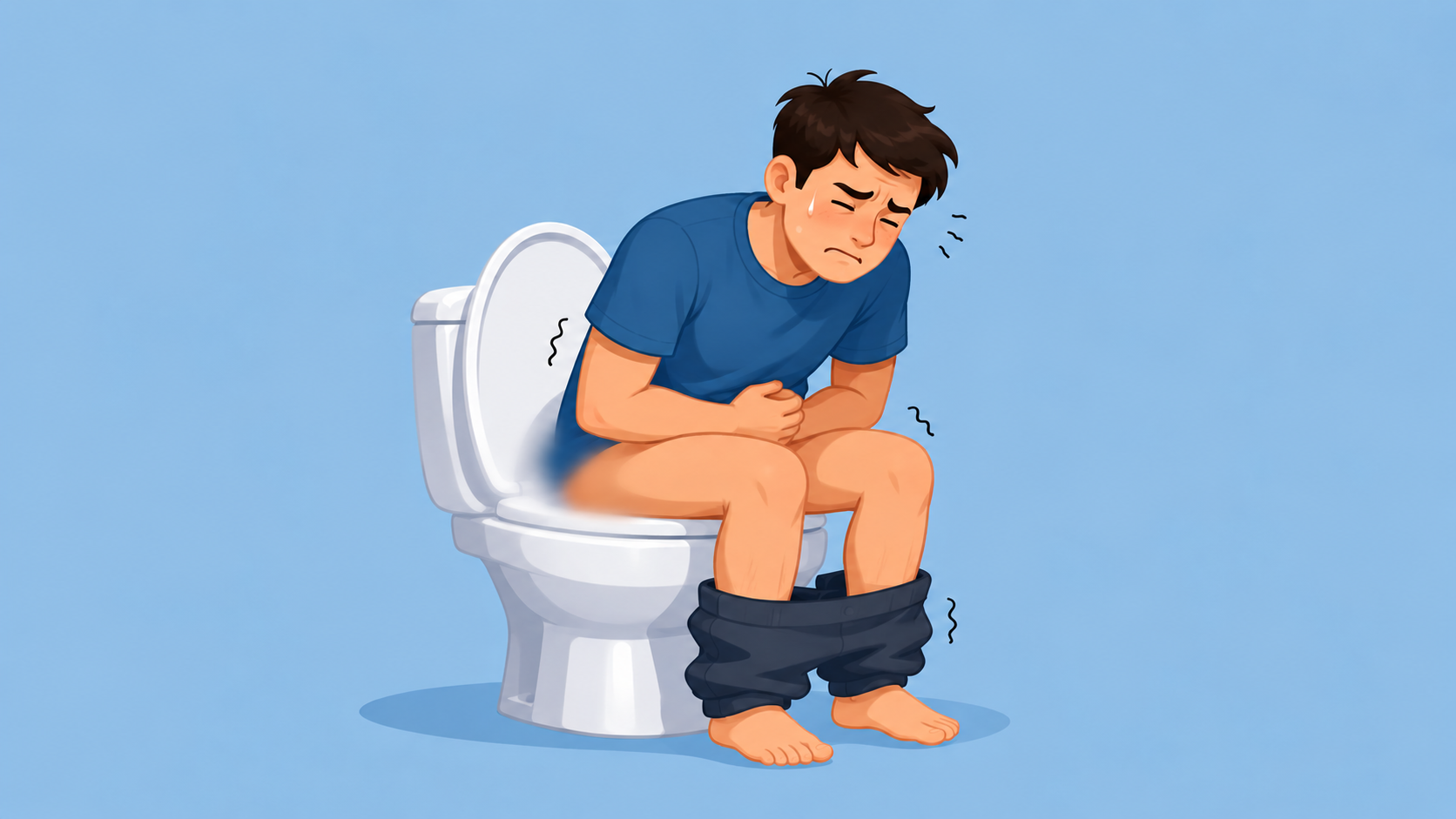
Loose motions, also known as diarrhea, are among the most common digestive problems affecting both children and adults. Many people immediately visit a pharmacy and purchase medicines to stop diarrhea as quickly as possible. While this may seem like the fastest solution, it is not always the safest approach. In many cases, loose motions occur because the body is trying to eliminate harmful bacteria, viruses, parasites, or toxins from the digestive tract. Stopping this natural process without understanding the underlying cause may not be appropriate and can delay recovery in some situations. At Olir Super Speciality Hospital, a trusted Gastro Hospital in Chennai, our specialists focus on identifying the cause of diarrhea, preventing dehydration, and providing the right treatment based on the patient's condition.
Why Do Loose Motions Happen?
Loose motions are usually a symptom rather than a disease. They may occur due to:
- Viral gastroenteritis
- Food poisoning
- Bacterial infections
- Parasitic infections
- Food intolerance
- Side effects of certain medications
- Contaminated food or water
Identifying the cause is important because treatment differs depending on the underlying condition.
Is It Safe to Stop Loose Motions Immediately?
Many people believe diarrhea should be stopped as soon as it begins. However, this is not always the best approach. When diarrhea is caused by an infection, the body may be trying to remove harmful germs or toxins. Taking medicines that slow bowel movement without medical advice may not be appropriate for every patient. Instead of self-medicating, the first priority should be staying hydrated and monitoring symptoms. A doctor can determine whether medications are needed and which treatment is most appropriate.
The Biggest Risk: Dehydration
The greatest concern with repeated loose motions is dehydration. Every episode of diarrhea causes the body to lose water and important electrolytes such as sodium and potassium. Without adequate replacement, dehydration can develop quickly, especially in young children, older adults, and people with chronic illnesses. Common signs of dehydration include:
- Excessive thirst
- Dry mouth
- Reduced urination
- Dark-colored urine
- Weakness
- Dizziness
- Fatigue
- Sunken eyes (especially in children)
Severe dehydration is a medical emergency and requires immediate treatment.
ORS: The First Step in Managing Loose Motions
One of the most effective ways to prevent dehydration is by drinking WHO-recommended Oral Rehydration Solution (ORS). ORS helps replace the water and essential salts lost during diarrhea and vomiting. Along with ORS:
- Drink clean water regularly.
- Continue feeding children according to medical advice.
- Eat light, easily digestible foods if tolerated.
- Avoid sugary soft drinks and excessive caffeine, which may worsen dehydration.
When Should You Visit a Hospital?
Seek medical attention immediately if you experience:
- Severe dehydration
- Persistent vomiting
- Blood in the stool
- High fever
- Severe abdominal pain
- Diarrhea lasting more than two to three days in adults or according to your pediatrician's advice for children
- Inability to drink or keep fluids down
- Signs of confusion or extreme weakness
How Is Severe Dehydration Treated?
If dehydration becomes severe, hospital treatment may include:
- Intravenous (IV) Fluids: IV fluids quickly replace lost water and electrolytes when patients cannot drink enough fluids.
- Diagnostic Tests: Depending on symptoms, doctors may recommend blood tests or stool tests to identify the cause.
- Medications: Treatment is based on the underlying diagnosis. Some patients may require medications such as antibiotics or antiparasitic drugs, but these are only prescribed when medically indicated. Antibiotics are not routinely needed for all cases of diarrhea.
Expert Gastro Care at Olir Super Speciality Hospital
At Olir Super Speciality Hospital, our gastro specialists evaluate patients with acute and chronic digestive illnesses using a personalized approach. We provide:
- Evaluation of diarrhea and food poisoning
- Dehydration management
- IV fluid therapy
- Laboratory investigations
- Digestive disorder treatment
- Comprehensive emergency care when required
Conclusion
Loose motions should never be ignored, but they also should not be treated with over-the-counter medicines without understanding the cause. The most important first step is preventing dehydration with ORS and adequate fluid intake. If symptoms are severe, persistent, or accompanied by warning signs, seek medical attention promptly. At the best hospital in Chennai, our experienced specialists provide comprehensive care for digestive illnesses, helping patients receive the right treatment based on the underlying cause. If you or a family member has persistent loose motions, vomiting, or signs of dehydration, fill out our appointment form to consult our gastro specialists.
Consult Our Specialists
Dr. Satish Devakumar
MBBS, MS (General Surgery), MCh (Surgical Gastroenterology / GI Surgery)
Senior Gastrointestinal Surgeon in Chennai
OLIR Super Speciality Hospital, Chennai
Dr. A. C. Vikram
MBBS, MS (General Surgery), MCh (Surgical Gastroenterology)
Consultant Gastrointestinal Surgeon in Chennai
OLIR Super Speciality Hospital, Chennai
Frequently Asked Questions
Find answers to common questions about our services, treatments, appointments, and patient care options to help you make informed health decisions.
Not always. Diarrhea can be the body's way of eliminating harmful germs or toxins. Always consult a doctor before taking medicines that stop bowel movements.
Yes. ORS helps replace the fluids and electrolytes lost through diarrhea and vomiting, reducing the risk of dehydration.
Seek medical care if you have severe dehydration, blood in the stool, persistent vomiting, high fever, or diarrhea that does not improve.
No. Many cases are caused by viruses and do not require antibiotics. Treatment depends on the underlying cause and should be guided by a doctor.
If you have persistent diarrhea, vomiting, or signs of dehydration, consult the specialists at Olir Super Speciality Hospital, Velachery, Chennai, for timely evaluation and appropriate treatment.
Related Articles

Top 5 Cardiology Treatments at Chennai's Best Super Speciality Hospitals in 2026
Chennai has earned a strong reputation as a medical capital of India, especially in cardiac sciences...

Best Neurology Hospitals in Chennai: Stroke Care and Neurosurgery Guide
Chennai has emerged as one of India’s most trusted destinations for neurological care. A leading neu...
Joint Replacement Surgery: Why Choose Chennai Super Speciality Orthopedics
Chennai has become a top destination for advanced orthopedic care in India. A leading orthopedics ho...
Need Expert Medical Care in Velachery?
Book Your Appointment with Our Specialists Today
Get expert consultation, accurate diagnosis, and the right treatment, all under one roof at OLIR Super Speciality Hospital.
Book Appointment